

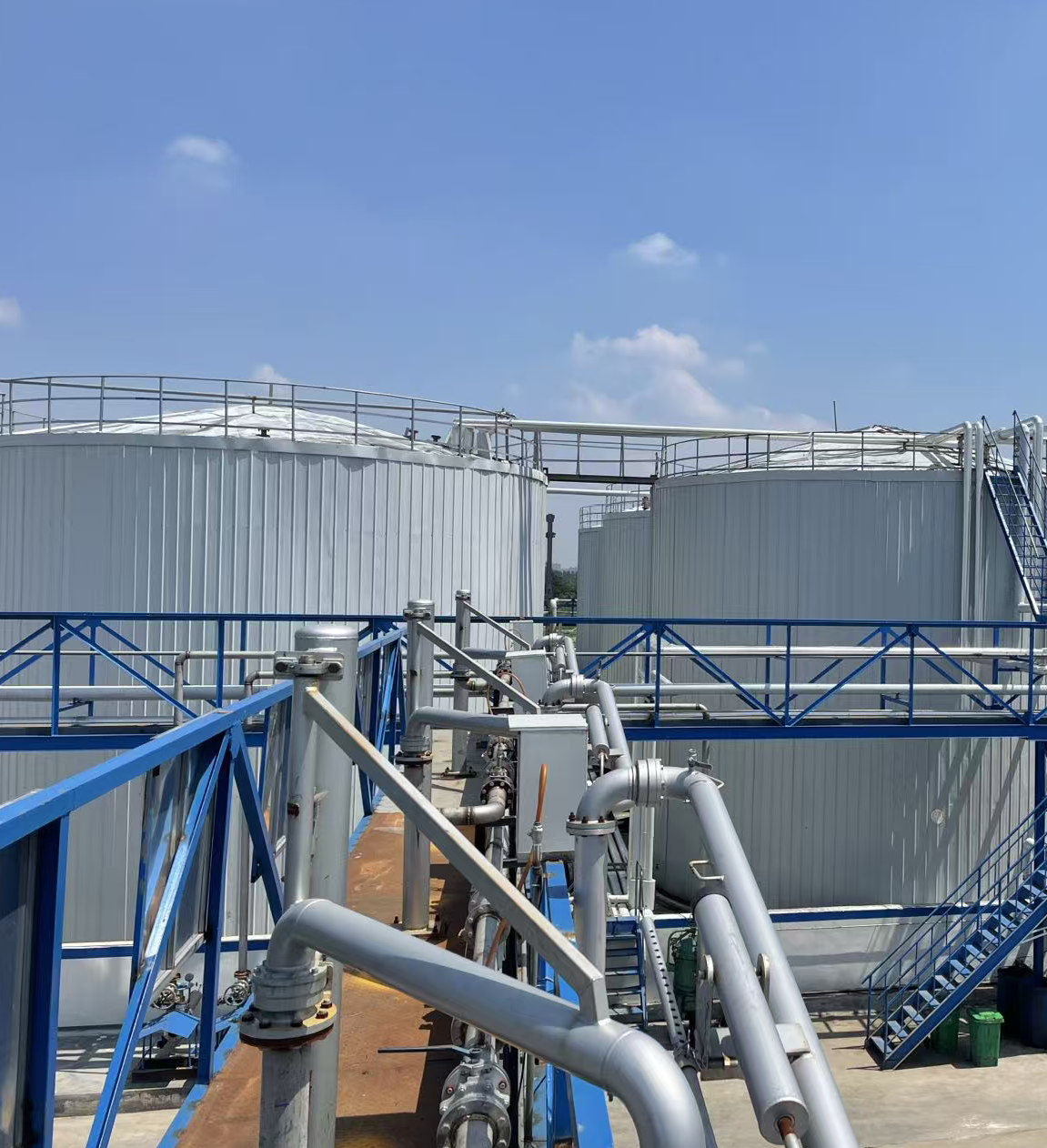
The hydrogenation process in fatty alcohol production generates “crude methanol” as a by-product. This stream, containing methanol, higher alcohols, and water, has traditionally been considered a waste or low-value stream requiring energy-intensive purification for recovery. However, forward-thinking engineering is transforming this by-product into a valuable resource, enhancing the plant’s overall energy profile and economics.
The Traditional Approach: Energy-Intensive Methanol Recovery
The conventional method is to recover pure methanol from the crude stream via a dedicated distillation column. This purified methanol can then be recycled to the hydrogenation reactor. While effective, this approach is energy-intensive and results in some methanol losses. The distillation column adds significant capital expenditure and operational complexity to the plant.
The Innovative Alternative: Reforming Methanol to Hydrogen
A more advanced and sustainable strategy is to bypass the complex purification step entirely. Instead, the crude methanol stream is sent directly to a steam reformer. In the reformer, the methanol is catalytically converted into a hydrogen-rich synthesis gas (syngas).
The Process in a Nutshell:
- Direct Utilization:The “crude” methanol/water mixture, without extensive purification, is fed to a steam reforming unit.
- Hydrogen Generation:The reformer converts the methanol and water into hydrogen and carbon dioxide.
- Internal Hydrogen Supply:The hydrogen produced is then purified and directly recycled back to the primary hydrogenation reactors as a feedstock.
Strategic Advantages of This Approach:
- Lower Overall Energy Consumption:Producing hydrogen from the by-product methanol is more energy-efficient than using natural gas for steam-methane reforming. Comparative studies have shown that this integrated process can lead to significant annual energy savings, for example, up to 1,000 tonnes of oil equivalent per year in some scenarios.
- Simplified Plant Layout:This approach eliminates the need for a dedicated methanol distillation column, simplifying the plant’s flow sheet and reducing capital investment.
- Reduced External Hydrogen Dependence:By generating its own hydrogen from an internal stream, the plant can become less dependent on external hydrogen supplies, improving operational resilience and cost stability.
This holistic approach exemplifies the future of oleochemical plant design: moving beyond waste treatment to integrated resource management. By optimizing both the energy and material flows, it is a powerful tool for creating a more efficient, low-carbon, and economically robust fatty alcohol production facility. To see how Zhengzhou Ocean implements such sustainable and integrated design concepts, please visit our fatty alcohol production line page.


