

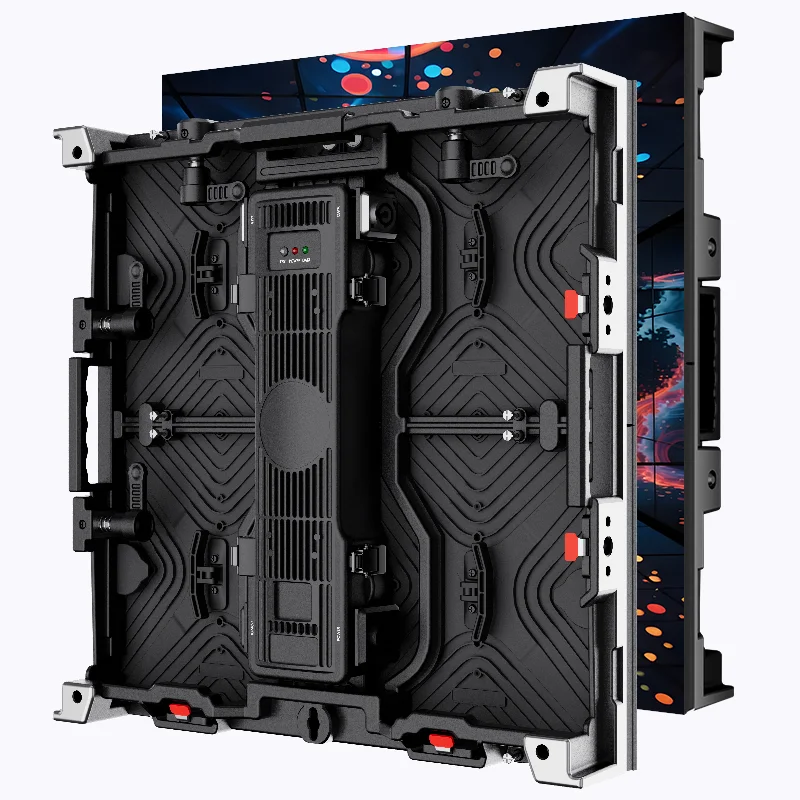
A stage LED screen can become one of the largest and most visible elements of a live production, but its safe operation depends on much more than image quality. Rental companies, event producers, AV integrators, and staging contractors must consider structural stability, electrical connections, environmental conditions, cable routing, and operator procedures. A disciplined safety process protects crews and audiences while also reducing equipment damage, unexpected downtime, and disruption during events.
Start with a Proper Site and Equipment Assessment
Safety begins before the first cabinet leaves its flight case. The installation team should review the venue layout, intended screen position, installation method, available power, access routes, and environmental conditions. For a suspended stage LED screen, the supporting structure and rigging system must be assessed for the complete load, including cabinets, cables, rigging hardware, and other accessories. Manufacturer instructions and local requirements should always be followed.
Ground-stacked configurations require the same attention. The supporting surface should be suitable for the system’s weight and stable enough for the planned configuration. The screen should never be treated as a temporary structure that can simply be positioned wherever space is available. Professional LED installation guidance consistently emphasizes secure support and qualified personnel for these applications.
Check Locks, Rigging, and Cabinet Connections
Mechanical connections deserve a careful inspection because rental displays are repeatedly assembled, transported, and dismantled. Every cabinet lock, hanging connection, support component, and safety attachment should be checked before the screen is put into operation. If a connection does not engage smoothly or a component appears damaged, it should not be forced into position.
For overhead systems, personnel should also stay clear of suspended loads during lifting and installation. The total load and the capacity of the supporting equipment need to be confirmed by competent professionals rather than estimated from cabinet weight alone. This is particularly important for a large stage LED screen installed above performers or audiences.
Manage Power and Cables Carefully
Electrical safety is another fundamental part of stage LED screen rental operations. Teams should calculate the expected electrical load, use suitable distribution equipment, and follow applicable electrical codes. Temporary event wiring may also be exposed to physical damage, so cables should be routed and protected appropriately rather than left where vehicles, crew members, or performers can contact them.
Power should be disconnected before technicians perform work that requires access to electrical components, unless a specific procedure requires otherwise and is performed by qualified personnel. Manufacturer safety documentation for LED display systems also warns against connecting or disconnecting equipment while energized and stresses proper grounding.
Cable management affects both electrical and physical safety. Power and signal lines should be organized so they do not create trip hazards around stage access points, walkways, or emergency routes. For outdoor productions, connections and cable protection should also be selected according to the actual environmental conditions.
Prepare for Weather and Temperature Changes
Outdoor events introduce additional risks that indoor productions may not face. Rain, dust, direct sunlight, wind, and changing temperatures can affect both display equipment and its supporting structure. Operators should confirm that the selected stage LED screen is suitable for the environment and follow the manufacturer’s operating limitations.
Weather-resistant construction can reduce exposure-related risks, but it does not eliminate the need for monitoring. If weather conditions exceed the equipment or temporary structure’s permitted operating limits, the responsible production team should follow its emergency procedures rather than continuing operation simply to keep the show running.
Protect the Screen During Operation and Handling
Physical impact is a common concern for rental equipment because cabinets frequently move between venues. During setup and dismantling, panels should be handled according to manufacturer instructions and protected from unnecessary impact. Tools and loose equipment should never be placed where they could fall into or onto the display structure.
Once the system is operating, the crew should maintain appropriate clearance around the screen and keep unauthorized personnel away from technical areas. A stage LED screen may form part of a larger production environment containing lighting, trusses, speakers, moving equipment, and performers, so coordination between departments is essential.
Test the System Before the Audience Arrives
A complete pre-show inspection provides an important final safety barrier. The team should check cabinet connections, power distribution, signal connections, screen configuration, image output, and any visible signs of physical damage. The display should be tested before performers or audiences enter the operating area.
Operators should also know how to shut down the system in an emergency and understand which issues require technical intervention. Professional training can cover system operation, maintenance, power distribution, and basic troubleshooting, helping operators respond more consistently when problems occur.
How Coblinks Approaches Rental Display Applications
Coblinks develops LED display solutions for rental and staging applications, including public events, corporate events, live concerts, broadcast studios, virtual production, and extended reality stages. Its MB-H Series is designed for indoor and outdoor use and offers a flip-chip GOB technology option intended to combine high-definition image quality, high contrast, and enhanced surface protection.
For demanding outdoor productions, the MB-H Series is designed to provide glare-free, high-definition visuals under harsh sunlight. Its construction is intended to withstand rain, dust, and temperature changes, making environmental suitability an important consideration for professional stage LED screen rental projects.
Building a Safer Rental Workflow
Safe stage LED screen rental is ultimately a process rather than a single product feature. Proper site assessment, secure structural connections, controlled electrical distribution, organized cabling, weather awareness, careful handling, and pre-show testing should work together as one operating procedure. For rental businesses, this approach can also protect valuable equipment and reduce avoidable interruptions.
Coblinks is a technology-driven LED display manufacturer specializing in indoor and outdoor fixed-installation and rental displays, supported by complete SMT production lines and advanced manufacturing equipment. Its MB-H Series provides a solution for demanding stage applications where image performance and surface protection are important. For professional teams planning a stage LED screen rental project, contact Coblinks to discuss the appropriate display solution and application requirements.


