

Electrical systems are expected to do more than distribute power. They must protect equipment, support stable operation, simplify maintenance, and accommodate changes in load over time. This makes switchgear design an important consideration when selecting electrical control products for commercial facilities, industrial sites, infrastructure projects, and energy applications.
A well-designed switchgear system coordinates protection, isolation, distribution, and control so that electrical faults can be managed without unnecessarily affecting the entire installation. For engineers, contractors, system integrators, and equipment purchasers, understanding these design considerations can help improve both initial system planning and long-term operation.
How Switchgear Design Supports Electrical Safety
Electrical safety starts with appropriate protection against common faults such as overloads, short circuits, and leakage currents. Different circuits require different protection strategies, which is why switchgear cannot be treated as a single standardized component.
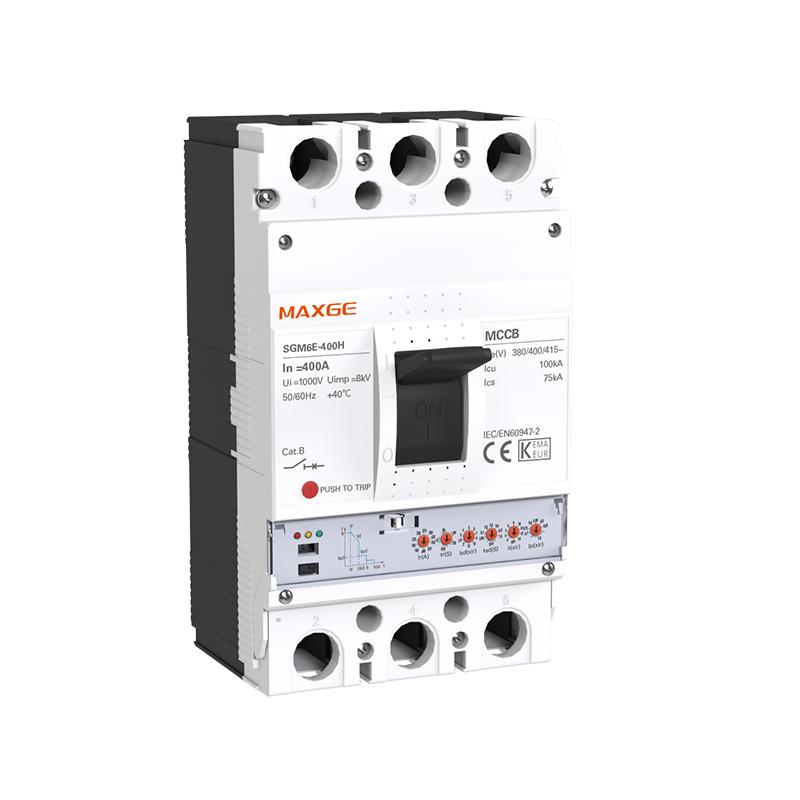
MCBs are commonly used for smaller low-voltage circuits, while MCCBs can handle larger distribution circuits and offer adjustable protection parameters for applications with greater capacity requirements. RCCBs and RCBOs provide additional protection against residual current, helping reduce the risk associated with electrical leakage. For larger distribution systems, ACBs can provide high-current protection and selective fault clearing.
The coordination of these devices is equally important. A properly planned system should allow the protective device closest to a fault to respond appropriately, reducing unnecessary interruptions to unaffected circuits. This approach can make electrical installations easier to operate and maintain while supporting safer fault management.
Why Product Selection Affects System Uptime
Unexpected electrical interruptions can affect production schedules, equipment operation, and maintenance planning. Choosing suitable low voltage products therefore requires more than comparing rated current or physical dimensions.
The application environment should be considered alongside electrical requirements. Factors such as load characteristics, short-circuit conditions, operating frequency, ambient temperature, installation space, and maintenance access can influence the appropriate product selection.
For example, industrial applications may require coordination between circuit breakers, contactors, thermal relays, and motor protection devices. A motor circuit needs protection against conditions that differ from those of a lighting or general distribution circuit. Selecting compatible components allows the protection and control functions to work together more effectively.
This is where experienced electrical switchgear manufacturers can provide useful technical support. Product compatibility, installation requirements, and protection parameters should be evaluated as part of the overall electrical system rather than as isolated purchasing decisions.
Designing for Future Electrical Demand
Electrical installations rarely remain unchanged throughout their service life. Additional machinery, charging equipment, renewable energy systems, automation equipment, or increased production capacity may create new electrical demands.
Switchgear design should therefore consider potential expansion from the beginning. Adequate capacity, modular arrangements, appropriate distribution architecture, and available space for additional components can make future modifications more practical.
Modern systems may also incorporate smart breakers and monitoring functions. MAXGE’s product portfolio includes smart MCBs, RCCBs, RCBOs, and MCCBs designed for applications where remote monitoring, control, communication, and fault alerts are required. These functions can provide useful information for electrical management and maintenance.
New energy applications create another design consideration. Photovoltaic systems, energy storage, and EV charging infrastructure introduce DC circuits and different protection requirements. MAXGE provides DC MCBs, DC SPD and fuse products, DC MCCBs, DC ACB isolators, and EV charging products within its new energy product range.
What to Consider When Choosing Electrical Control Products
A practical selection process should begin with the electrical characteristics of the application. Rated voltage and current are fundamental, but they are not the only factors that matter. Engineers should also consider breaking capacity, protection characteristics, number of poles, installation method, environmental conditions, and coordination with upstream and downstream devices.
The physical arrangement of the switchgear is also important. Clear access for inspection, testing, replacement, and troubleshooting can reduce maintenance difficulties. Distribution boxes, isolating switches, protective devices, and control components should be arranged according to the requirements of the installation.
For industrial applications, control functions may be just as important as circuit protection. Contactors, thermal relays, motor protection circuit breakers, switches, signal components, and other industrial electrical products can work together to support equipment starting, stopping, overload protection, and operational control. MAXGE currently offers these types of industrial devices alongside its circuit breaker and distribution product ranges.
Working With Low Voltage Switchgear Manufacturers
When evaluating low voltage switchgear manufacturers, product range is only one part of the decision. Technical documentation, product compatibility, application knowledge, quality management, and communication during project development can also influence the overall purchasing experience.
A supplier with a broad range of protection and control products may simplify system integration, particularly when a project requires multiple device categories. MAXGE’s portfolio covers MCB, RCD and RCBO, MCCB, ACB, smart breakers, distribution boxes, new energy devices, and industrial devices.
Early communication can also help clarify technical requirements before products are selected. Instead of choosing components based solely on catalog specifications, project teams can discuss load conditions, intended applications, installation environments, and system expansion requirements.
Build a More Adaptable Electrical System
Effective switchgear design connects electrical protection with reliable operation and future system requirements. The right combination of protective devices, control components, distribution equipment, and monitoring functions can help create an electrical installation that is easier to operate, maintain, and expand. Instead of selecting each component independently, engineers can consider how protection, distribution, switching, and control functions work together across the entire system.
For projects requiring electrical control products, MAXGE develops low-voltage electrical solutions for residential, commercial, industrial, and new energy applications. Its solutions cover different power distribution and control requirements, with applications extending to PV, energy storage, and EV charging systems. This broader application coverage allows equipment selection to be considered according to the specific electrical architecture and operating conditions of each project.
MAXGE has expanded its market presence across more than 60 countries and works with over 80 distribution partners, supporting different electrical applications across international markets. With the MAXGE, EMA, and GEBLER brand matrix, the company provides electrical solutions for different market and application requirements.
To discuss product options, technical requirements, or potential applications, you can contact MAXGE through its official contact page.


