

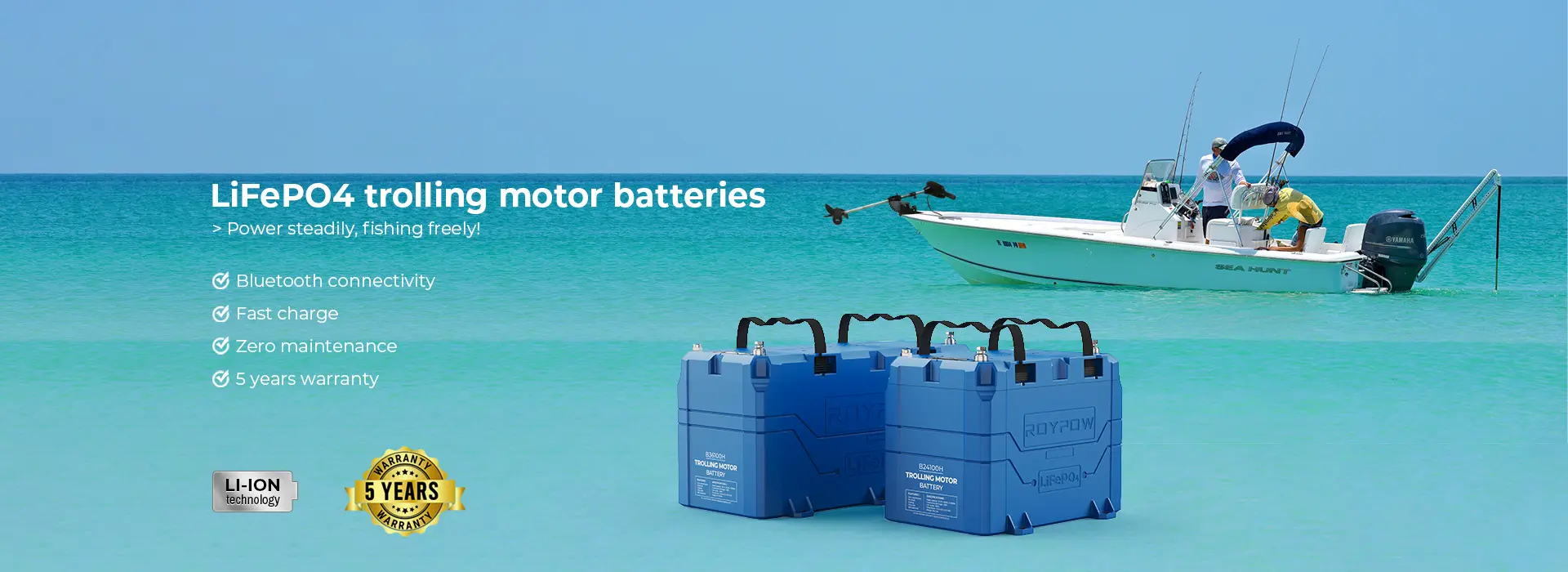
Choosing the right trolling motor battery has become a more important decision than ever for anglers and recreational boaters. Battery technology directly affects runtime, boat handling, maintenance demands, and long-term operating cost. While traditional battery types are still widely used, newer lithium solutions are changing what users expect from their marine power systems.
For many years, wet cell and AGM batteries were the standard choices for trolling motors. They remain familiar and accessible, but they are no longer the only practical options. Deep-cycle lithium batteries have gained momentum because they address many of the limitations associated with older battery technologies. Understanding how these battery types differ can help boaters make a more informed decision based on performance needs, boat size, and usage habits.
Traditional Trolling Motor Battery Types
Before lithium batteries became more common in marine applications, most trolling motors relied on lead-acid technology. These batteries are still used today, particularly by boaters who prioritize lower upfront cost or prefer familiar systems.
- Lead-Acid Wet Cell Batteries
Wet cell batteries have long been considered a basic and dependable trolling motor power source. They are widely available and typically cost less than more advanced battery types, which explains why they have remained popular for so many years.
However, they also come with some notable trade-offs. Because they use liquid electrolyte, they require more careful handling and regular maintenance. Owners often need to monitor fluid levels, keep terminals clean, and pay closer attention to charging practices. In addition, wet cell batteries tend to be heavier and offer a shorter service life compared with newer battery options.
For occasional users, these limitations may be acceptable. But for anglers who want more convenience and longer-term value, wet cell batteries can feel increasingly outdated. - AGM Batteries
AGM batteries were introduced as a more refined version of traditional lead-acid technology. Instead of using freely moving liquid electrolyte, they use absorbed glass mats to hold the electrolyte in place. This makes them spill-resistant and generally easier to manage than wet cell batteries.
AGM batteries offer several practical advantages:
- Maintenance-free operation: No routine fluid checks are required.
- Improved durability: They are better suited to vibration and movement in marine environments.
- Better deep-cycle capability: They can handle repeated discharge and recharge cycles more effectively than standard wet cell models.
- Faster recharge potential: Charging can be more efficient under the right conditions.
That said, AGM batteries are usually more expensive than wet cell batteries, and they still do not fully solve issues related to weight, lifespan, or long-term efficiency.
Why Lithium Batteries Are Gaining Ground
As more boaters look for reliable power with fewer compromises, deep-cycle lithium batteries have become a serious alternative. They are increasingly chosen not only for performance, but also for the more convenient ownership experience they provide.
Compared with older battery types, lithium options stand out in several key areas.
- Lower weight
A lighter battery can improve boat balance, handling, and overall efficiency. - Longer lifespan
Lithium batteries are often built for significantly more charge cycles, which can reduce replacement frequency. - Stable power output
They generally maintain more consistent voltage through the discharge cycle, helping the trolling motor perform more predictably. - Low maintenance
Unlike wet cell batteries, lithium systems do not require routine fluid checks or the same level of upkeep. - Faster charging
Many lithium batteries can recharge more efficiently, allowing users to get back on the water sooner.
These benefits make lithium especially attractive for anglers who use their boats frequently or want to reduce long-term hassle.
Matching Battery Type to Real Usage Needs
There is no single battery type that is best for every boater. The right choice depends on how often the boat is used, how important maintenance-free operation is, and whether the priority is lower upfront spending or better long-term value.
A practical way to think about it is this:
- Wet cell batteries may suit users focused mainly on initial affordability.
- AGM batteries can appeal to those who want a maintenance-free step up from traditional lead-acid.
- Lithium batteries are often the strongest fit for users who prioritize efficiency, lifespan, and reduced upkeep.
For many boat owners, the decision becomes easier when they stop looking only at purchase price and start considering total ownership cost over several seasons.
Why Battery Sizing Still Matters
Battery type is only part of the equation. Choosing the correct trolling motor battery size is just as important for performance and reliability. A battery that is too small for the motor or the boat’s operating demands can lead to shorter runtime, weaker performance, and unnecessary strain on the system. Battery size should be matched to factors such as:
- trolling motor voltage requirements
- boat size and overall load
- expected trip length
- water conditions and motor usage intensity
- desired runtime between charges
In many cases, smaller boats can operate effectively with a 12V setup, while larger vessels may require 24V or 36V systems. Matching the right battery size to the application helps ensure that the trolling motor delivers the thrust and endurance needed for real-world use.
Looking Ahead in Marine Battery Technology
The trolling motor battery market is evolving because user expectations are changing. Boaters no longer look only for a battery that works. They want one that supports longer outings, requires less maintenance, charges more efficiently, and delivers better long-term value.
That is why lithium batteries continue to attract more attention. They align well with the needs of modern marine users who value convenience, reliability, and performance in equal measure. While wet cell and AGM batteries still have their place, lithium technology increasingly represents the direction of the market.
A Smarter Way to Choose Your Next Battery
Understanding the differences between wet cell, AGM, and lithium batteries makes it easier to choose a trolling motor setup that matches real boating needs. Traditional battery types remain relevant, but lithium solutions are becoming more compelling because they reduce weight, improve service life, and simplify maintenance.
At the same time, selecting the right battery size is essential for getting the best results from any system. When battery type and size are both matched correctly, boaters can enjoy better performance, greater efficiency, and more confidence on the water. For anglers who want to spend less time managing equipment and more time fishing, that combination can make all the difference.


