

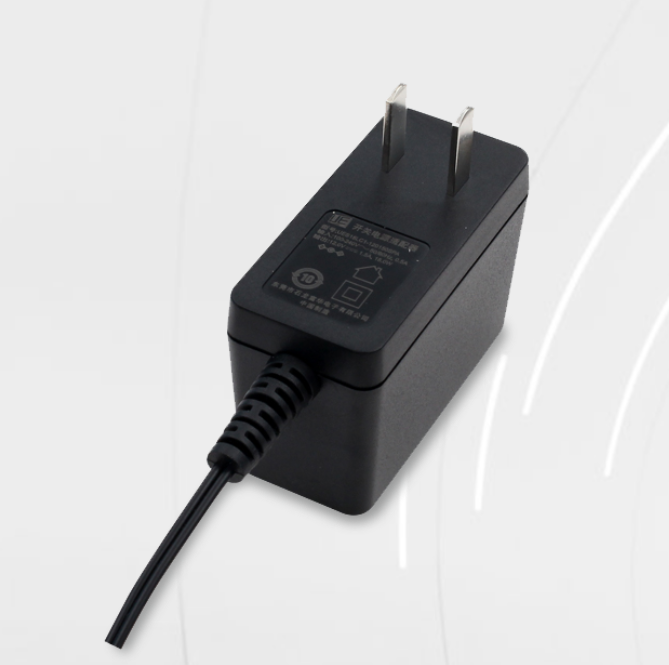
Medical information equipment is becoming increasingly connected. Hospital networks, monitoring terminals, communication systems, data-processing equipment, and digital management devices may operate alongside medical equipment for long periods. These systems depend on stable electrical power to keep processors, interfaces, communication modules, and other electronic circuits operating as intended. An ITE power supply can help equipment manufacturers address several power-related challenges, including electrical stability, electromagnetic interference, thermal conditions, protection, and energy efficiency.
Challenge 1: Maintaining Stable Power for Continuous Operation
Medical information systems often need to operate for extended periods rather than only during short working cycles. A power solution therefore needs to maintain appropriate output performance when the equipment experiences changes in load, input conditions, or operating temperature.
Unstable power can affect sensitive electronic components and may lead to unexpected system behavior. Engineers should consider output voltage regulation, ripple, transient response, and protection functions when selecting a power solution.
Load characteristics also vary between applications. A communication terminal may have a relatively consistent demand, while a device with displays, processors, storage systems, or wireless communication modules may experience rapid changes in power consumption.
This makes power selection part of system planning. Rather than choosing a unit only according to nominal wattage, engineers need to compare the expected load profile with the power supply’s operating specifications and available design margin.
Challenge 2: Controlling Electromagnetic Interference
Electromagnetic compatibility is another important challenge in medical information environments. Hospitals and laboratories can contain networking equipment, computers, monitoring systems, wireless devices, motors, and other electronic products operating in close proximity.
A switching power supply can generate conducted and radiated noise if its circuit and filtering design are not properly considered. At the same time, the equipment itself may need sufficient immunity to disturbances from surrounding electrical systems.
For this reason, EMC should be considered before the final equipment prototype is completed. Engineers can evaluate switching behavior, filtering, grounding, PCB layout, and cable arrangements during development. This approach makes it easier to identify potential interference sources before system-level compliance testing.
The applicable EMC requirements depend on the equipment category and target market, so manufacturers should confirm the relevant standards for the complete product instead of assuming that one certification covers every application.
Challenge 3: Managing Heat in Compact Equipment
Medical information equipment is often designed with limited internal space. Smaller enclosures can make it more difficult to dissipate heat, particularly when processors, communication components, storage devices, and power circuits are installed close together.
Power conversion efficiency therefore has a direct relationship with thermal design. Energy that is not converted into useful output can become heat, increasing the temperature inside the equipment.
Engineers should evaluate efficiency together with expected load, ambient temperature, ventilation, and installation conditions. A power supply that operates efficiently can reduce the thermal burden on the overall system, while appropriate airflow and component spacing can further improve heat dissipation.
This is especially relevant for equipment intended for continuous operation. Thermal performance should be verified under realistic operating conditions rather than relying only on short-duration testing.
Challenge 4: Balancing Safety and Protection Functions
Medical information systems may not directly contact patients, but they can still operate within professional healthcare environments. Electrical safety remains important because equipment can be connected to networks, peripheral devices, and other systems.
Protection functions such as over-voltage, over-current, short-circuit, and over-temperature protection can help reduce risks caused by abnormal electrical conditions. Insulation and leakage characteristics also need to correspond with the intended application and applicable safety requirements.
Engineers should distinguish between the requirements for an I.T.E. power component and those for the finished medical system. The power supply’s certifications provide useful information, but system-level compliance depends on the complete equipment design, including wiring, enclosure, grounding, and connected loads.
Challenge 5: Reducing Unnecessary Energy Consumption
Information equipment can remain powered for long periods, including standby or low-load conditions. Even when the equipment is not processing large amounts of data, the power supply may continue consuming energy.
Energy efficiency and standby consumption can therefore become practical selection factors. Efficient conversion can reduce energy losses during normal operation, while low standby consumption can help reduce unnecessary power use when the connected equipment is inactive.
For manufacturers developing equipment for different markets, efficiency requirements should be checked during the early design stage. Choosing an appropriate power platform can help engineers balance electrical performance with the energy characteristics expected for the final product.
Challenge 6: Fitting the Power Solution Into Different Equipment Structures
Medical information equipment does not follow one fixed mechanical design. A network terminal, compact monitoring controller, communication unit, or data-processing device may have different enclosure dimensions, mounting arrangements, connectors, and output requirements.
The power supply therefore needs to fit the physical and electrical architecture of the equipment. Engineers may need to consider board space, cable routing, ventilation, connector positioning, and accessibility during integration.
UE Electronic develops power solutions for information technology and professional equipment applications. Its I.T.E. power product range is designed around electrical performance, safety, EMC, and application requirements, giving manufacturers a basis for evaluating different power configurations during product development.
How Should Manufacturers Evaluate an ITE Power Solution?
Selecting an ite power supply should begin with the actual operating conditions of the target equipment. Engineers can first determine input requirements, output voltage and power, load characteristics, operating temperature, and expected working hours.
The next step is to review safety and EMC requirements applicable to the target market. Efficiency, standby consumption, thermal behavior, protection functions, and mechanical dimensions should then be compared with the equipment design.
Prototype testing is also important. A power supply that meets its individual specifications may behave differently after installation because surrounding components, cables, airflow, and enclosure conditions can influence system performance. Evaluating the power solution within the actual equipment can reveal integration issues before mass production.
UE Electronic provides I.T.E. power solutions for professional equipment applications and supports manufacturers in evaluating power requirements for different product configurations.
Building More Stable Medical Information Equipment
The power challenges faced by medical information systems are not limited to obtaining a suitable output voltage. Engineers need to consider continuous operation, electromagnetic compatibility, thermal management, electrical protection, energy efficiency, and physical integration as parts of the same design process.
For manufacturers, early evaluation can reduce the risk of discovering power-related problems after the complete system has been developed. A properly selected ITE power supply can provide an appropriate foundation for information equipment that requires stable power, predictable thermal behavior, and compatibility with its intended operating environment.
As healthcare systems continue to adopt connected information technologies, power design will remain an important part of equipment development. Reviewing electrical, thermal, safety, and EMC requirements together allows manufacturers to select power solutions that better match the technical conditions of their products.


