

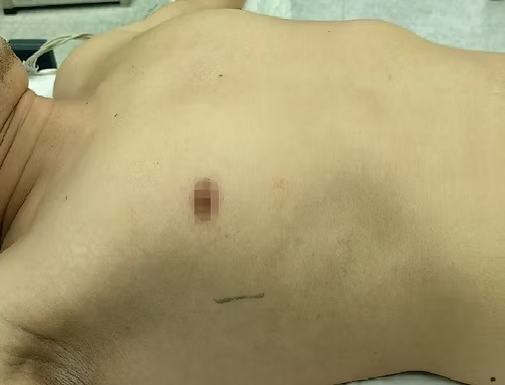
Barrel chest is a chest wall deformity that commonly occurs in patients with chronic obstructive pulmonary disease (COPD), such as emphysema. Recognizing the features of a barrel chest is essential for the early assessment and effective treatment of chronic respiratory diseases.
Structural Features of Barrel Chest
Individuals with a barrel chest shape exhibit a pronounced convexity of the anterior chest wall. Unlike a typical chest, the anterior-posterior diameter closely matches the left-right diameter, giving the chest its characteristic barrel-like appearance. In addition, the ribs show reduced inclination, often forming an angle greater than 45 degrees with the spine. Widened intercostal spaces and an enlarged infrasternal angle further distinguish this chest wall configuration. Patients with primary barrel chest generally do not exhibit noticeable symptoms. In contrast, secondary barrel chest may present with significant respiratory symptoms—such as coughing, hemoptysis, chest pain, chest tightness, shortness of breath, and difficulty breathing—caused by the underlying disease rather than the chest wall deformity itself.
Implications and Clinical Considerations
The management of a barrel chest depends entirely on its cause. Isolated (primary) deformities may be addressed with surgery for aesthetic reasons, whereas those secondary to chronic lung disease represent a compensatory change. Here, treatment must target the underlying pulmonary condition, and surgical correction of the chest wall itself is harmful and absolutely avoided. Medical evaluation is essential to differentiate between isolated chest wall deformity and cases linked to chronic respiratory or cardiovascular conditions. Specialists, such as those at The Institute of Chest Wall Surgery (ICWS), emphasize that understanding the anatomical characteristics of the barrel chest shape can guide appropriate management strategies, whether monitoring, therapeutic intervention, or corrective procedures. Awareness of these features is crucial for families and healthcare providers alike, ensuring timely attention and personalized care.
Conclusion
Understanding the defining features of the barrel chest shape allows for more accurate assessment and management of this common chest wall deformity. The increase in the anteroposterior diameter of the chest provides important clinical insight. Institutions like The Institute of Chest Wall Surgery (ICWS) offer expertise in evaluation and treatment, but recognizing the condition itself remains the first step toward effective care and improved patient outcomes.


