

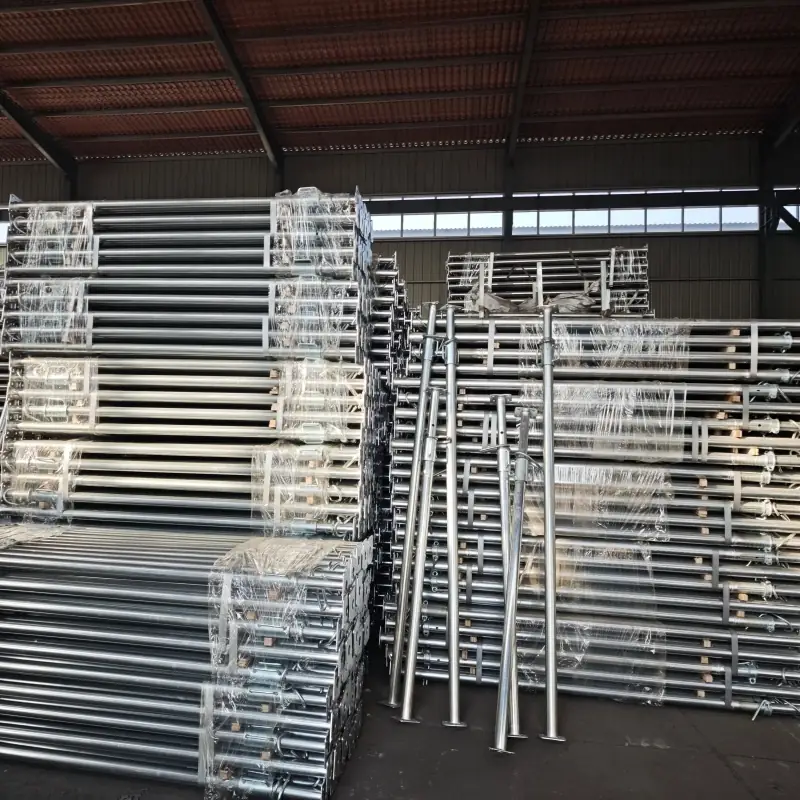
Temporary support systems depend on components that behave predictably under site conditions. When adjustable props vary in dimensions, adjustment range, or fabrication quality, crews may face fitting problems and inconsistent support arrangements. Product consistency therefore matters during both equipment selection and daily construction work.
For contractors purchasing adjustable steel props, consistency means receiving units that match approved specifications across an order. It does not mean treating every prop as suitable for every load. Engineers still need to verify capacity, spacing, bracing, and installation conditions for each project.
Why Consistency Matters on Construction Sites
Props often work in groups beneath slabs, beams, or formwork. Differences between individual units can complicate the process of setting a consistent support elevation. Workers may need additional adjustments or replacement components when delivered props do not match the agreed dimensions.
Before installation, site managers can create a comparison sheet showing approved prop types, reference dimensions, and permitted extension limits. This gives crews a way to recognize mismatched deliveries.
Repeated dimensions also make site planning easier. Crews can use a consistent installation sequence when prop lengths, adjustment mechanisms, and connection details follow the same specification. This reduces uncertainty during setup and helps supervisors identify unusual parts before they enter service.
Consistency should never replace structural design. Load capacity depends on factors such as extension length, axial alignment, restraint, and the manufacturer’s tested configuration. Site teams must follow the approved temporary works design rather than relying on a prop’s appearance or nominal size alone.
Dimensions and Adjustment Mechanisms
Dimensional control starts with the inner tube, outer tube, base plate, and adjustment assembly. Contractors should check whether supplied units match specified lengths and connection dimensions. Small differences can affect how props fit beneath formwork or work alongside existing accessories.
Threaded adjustment components deserve particular attention. A nut that turns unevenly or a thread that has been damaged during fabrication can slow installation. Pins and openings also need to match the intended configuration, with no unapproved substitutions in the assembled support.
Suppliers should document the usable adjustment range for each model. The permitted extension used in structural calculations may be narrower than the physical travel of the mechanism. Procurement teams need clear model identification to prevent different sizes or configurations from being mixed on site.
Fabrication Quality and Surface Condition
Consistent fabrication involves repeatable cutting, forming, welding, and inspection practices. Weld appearance alone cannot establish load capacity, but visible cracks, incomplete welds, or significant distortion should be treated as potential defects. Affected components should be removed from use pending assessment by qualified personnel. Buyers should request relevant quality inspection records when required by the project specification.
Surface finish is another purchasing consideration. Coating condition, corrosion, and handling damage can affect maintenance needs and service life. The specified protective treatment should suit the exposure conditions, while incoming inspections should record damaged areas before the props are distributed.
Straightness and plate condition also deserve routine checks. Bent tubes can interfere with adjustment and alignment. Damaged base plates may prevent proper seating against the designed bearing surface. Components with visible defects should be separated for assessment rather than modified informally by site workers.
Supplier Evaluation Beyond Unit Price
Buyers comparing adjustable steel props suppliers should ask how each company controls repeat orders. Useful questions cover material traceability, drawing revisions, inspection checkpoints, packing labels, and procedures for handling nonconforming products. Written answers help purchasing teams compare offers on a common basis.
Rongze supplies adjustable steel props for temporary support applications involving concrete slabs, beams, ceilings, and formwork systems. The products feature an adjustable inner and outer tube structure, with a pin and threaded adjustment mechanism for setting the required working height. Available configurations include different sizes, wall thicknesses, working heights, and load capacities. Buyers can also specify painted, powder-coated, electro-galvanized, or hot-dip galvanized finishes according to project requirements. Exact product specifications and load capacities should be confirmed before ordering.
For projects that require adjustable steel props, the purchase specification should name the configuration used in the engineer’s calculations. Price comparisons become misleading when suppliers quote different sizes or adjustment ranges.
Sample checks can uncover differences that are easy to miss in quotations. Teams can compare representative units against approved drawings, test the adjustment mechanism without loading it, and inspect labels and surface condition. Acceptance criteria should be agreed before bulk delivery rather than invented after a dispute.
Receiving, Storage, and Site Control
Delivery inspection should connect the purchase order with the goods received. Count units by model, check identifying marks, and examine samples for damage or obvious dimensional discrepancies. Keep inspection results and supplier documents together so later questions can be traced to a specific batch.
Photographs of damaged shipments can also support discussions with suppliers. The inspection report should identify affected quantities and distinguish transport damage from suspected manufacturing defects.
Storage practices help preserve that consistency after delivery. Props should be arranged to limit impact damage, standing water, and contamination of adjustment threads. Site teams also need a process for separating bent, corroded, or incomplete components from equipment cleared for use.
During installation, supervisors should check prop verticality, base and head plate seating, load distribution, bracing, and extension against the approved temporary works design. Unauthorized modifications, improvised stacking, or extensions beyond permitted limits can compromise support stability, regardless of product consistency. Inspection should continue throughout use rather than being limited to the receiving stage.
Turning Consistency Into Purchasing Requirements
Product consistency becomes easier to verify when it is translated into measurable procurement criteria. Buyers should specify tube dimensions, wall thickness, working height, adjustment range, load capacity, material requirements, surface treatment, product identification, and inspection procedures. These requirements provide a consistent basis for checking delivered products against approved specifications and comparing repeat orders.
When reviewing adjustable steel props suppliers, contractors should evaluate sample conformity and documentation alongside pricing and delivery terms. Rongze can be considered within that process, but selection should rest on verified suitability for the planned temporary works. Consistent products support orderly installation; safe performance still requires sound engineering and disciplined site checks.


