

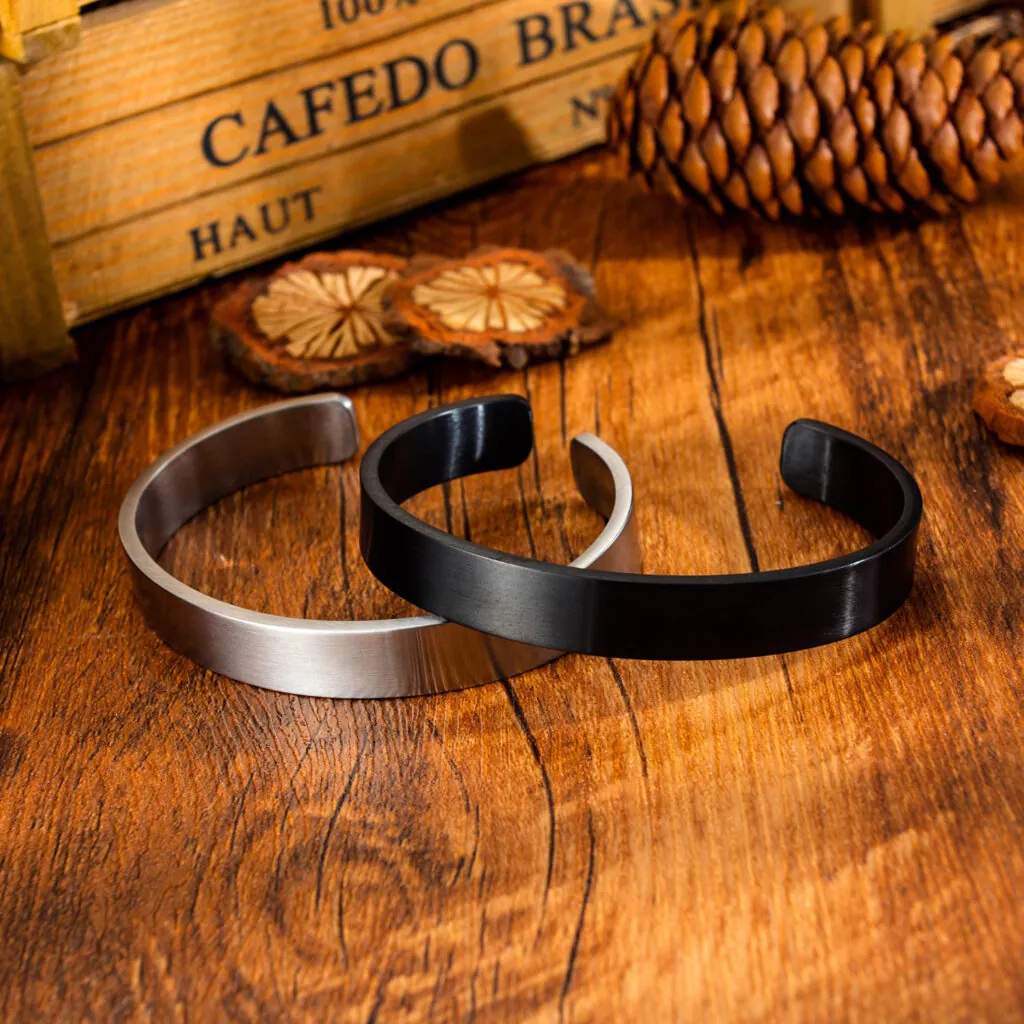
A single defective bracelet in a bulk shipment can trigger returns, chargebacks, and frustrated emails from retail partners. Some factories check only the first and last pieces off the line, assuming everything in between is fine. That gamble fails more often than it works. A serious stainless steel bracelet manufacturer knows that zero defects come from layered inspections—catching issues early before they multiply across thousands of units. Here’s an eight-stage breakdown that actually works on a busy production floor.
Stage 1: Raw Material Verification
Before any cutting happens, the incoming steel coils get checked. A stainless steel bracelet manufacturer measures gauge thickness and runs a spectrometer test to confirm 316L composition. One shop once received mislabeled 304 steel and caught it at this stage—saving an entire production run from future rust complaints.
Stage 2: Blank Cutting Inspection
After stamping or laser cutting individual links, inspectors look for burrs, incomplete cuts, or surface scratches. They reject any blank with rough edges because those will only get worse during tumbling and polishing. This stage removes bad blanks before they waste labor hours.
Stage 3: Link Assembly Check
When individual links get connected into a chain, each joint is tested for smooth movement. A reliable stainless steel bracelet manufacturer also checks for gaps or tight spots. Assemblers use a simple go/no-go gauge to ensure consistent link spacing across every bracelet.
Stage 4: Welding Integrity Test
For welded bracelets (like rope or curb chains), each weld point gets a pull test. A random sample of 5% from each batch is stretched to verify strength. Weak welds break here, not on a customer’s wrist. One factory documented a 40% drop in field returns after adding this stage.
Stage 5: Surface Polishing and Finishing Inspection
After barrel tumbling or hand polishing, inspectors check for orange peel effect, pitting, or uneven shine. They use a light box and rotate each bracelet under a fixed lamp. Any dull spots or scratches send the piece back for re-polishing before moving forward.
Stage 6: Plating or Coating Verification
For bracelets with PVD or gold plating, thickness is measured using an X-ray fluorescence device. A stainless steel bracelet manufacturer also performs a tape adhesion test on a sacrificial piece from each batch. Thin or flaking plating gets rejected immediately—no exceptions.
Stage 7: Clasp and Closure Function Test
Each bracelet’s clasp or lobster claw is opened and closed five times. Stiff springs or loose locking mechanisms fail the test. This stage also checks that the clasp engraving (if any) is crisp and centered. A loose clasp means a lost bracelet, so this step is non-negotiable.
Stage 8: Final Visual and Packaging Audit
Before bracelets go into poly bags or boxes, a final inspector scans every piece under bright light. They look for any scratches, plating wear, or assembly errors missed earlier. A random 10% from each completed carton is then re-inspected by a separate quality team. Only when all eight stages clear does the shipment get a release tag.
Eight stages sound like a lot, but each one catches a different type of defect before it reaches a buyer’s door. Skipping even one stage invites unnecessary risk. Star Harvest follows this full eight-stage inspection protocol on every stainless steel bracelet production run—so clients receive consistent quality without surprise defects hiding in the middle of an order.


