

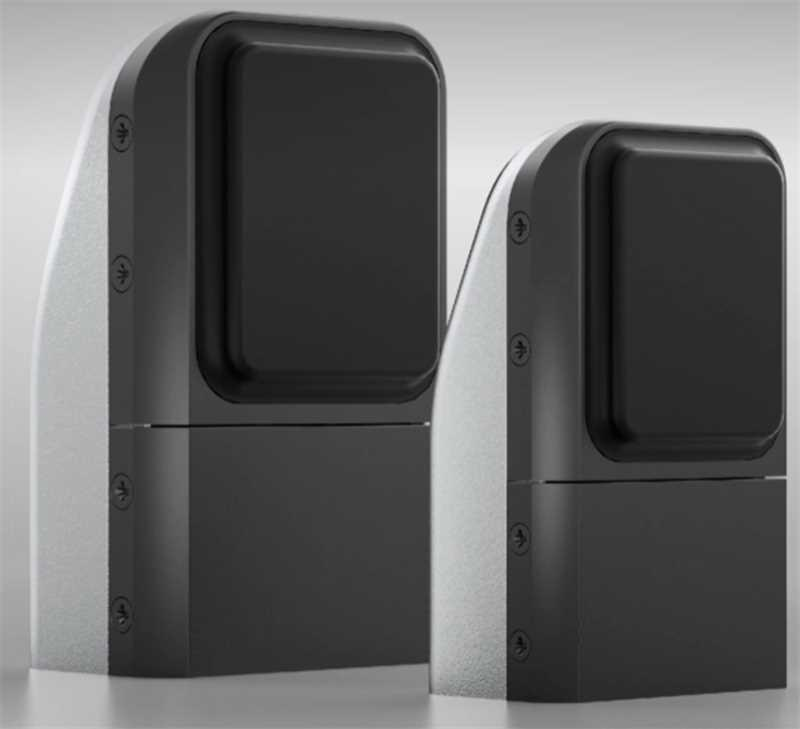
In the evolution of robotics and advanced automation, the ability to perceive and interact with the physical world safely and intelligently is paramount. This is where the advantage of soft tactile sensors becomes clear, offering a sense of touch that bridges the gap between rigid machines and dynamic environments. By providing nuanced feedback on pressure, texture, and shape, these sensors enable a new level of interaction. Companies like Daimon are at the forefront, developing sophisticated tactile sensing technologies that empower both industrial and consumer-facing applications to operate with unprecedented sensitivity and awareness.
Enhanced Safety through Tactile Sensing
The primary advantage of soft tactile sensors lies in their inherent safety. Unlike rigid components, compliant sensors conform to surfaces and distribute force, significantly reducing the risk of damage during unexpected contact. This is crucial for collaborative robots (cobots) working alongside humans, where a gentle touch is non-negotiable. By implementing advanced tactile sensing, systems can detect collisions with minimal force and halt or adjust their motion instantaneously. This safety mechanism protects both human workers and delicate equipment, creating a foundation for trust and seamless human-robot collaboration in shared spaces.
Daimon Sensors for Delicate Object Handling
Handling fragile or irregularly shaped items—from agricultural produce to electronic components—has long been a challenge for automation. Daimon addresses this with sensors that provide high-resolution contact data, allowing robotic grippers to modulate their grip force in real time. For instance, a sensor containing over 40,000 sensing units per square centimeter can detect subtle pressure changes, preventing a robot from crushing a ripe piece of fruit or bending a flexible PCB. This precise tactile sensing capability transforms automation in logistics, food processing, and electronics assembly, enabling the reliable manipulation of objects that were previously too delicate for robotic systems.
Reliable Feedback for Precise Robotic Control
Beyond safety and delicate handling, soft tactile sensors deliver the reliable feedback necessary for precise robotic control. The system enables real-time force measurement and response for force control, allowing robots to perform complex tasks like precise insertion, surface polishing, or adaptive assembly. This feedback loop is enhanced through visuo-tactile fusion in robotics, which is the integration of data from vision sensors and touch sensors to improve a robot’s perception and interaction with its environment. While vision identifies an object’s location, tactile sensin gconfirms secure grip, verifies alignment, and detects slippage, resulting in more robust and adaptable autonomous operations.
Conclusion
Soft tactile sensors provide a critical advantage by endowing machines with a responsive and safe sense of touch. Their benefits span enhanced safety for human collaboration, the ability to handle delicate objects without damage, and the delivery of reliable data for precise control. As these technologies mature, they unlock new possibilities across manufacturing, healthcare, and service robotics. For organizations looking to integrate this advanced capability, exploring the innovative solutions from Daimon offers a pathway to more intelligent, adaptable, and sensitive automated systems.


